Heritage · Mizoram
Heritage · Mizoram
Photo by RK Vanlaldinpuia on Unsplash
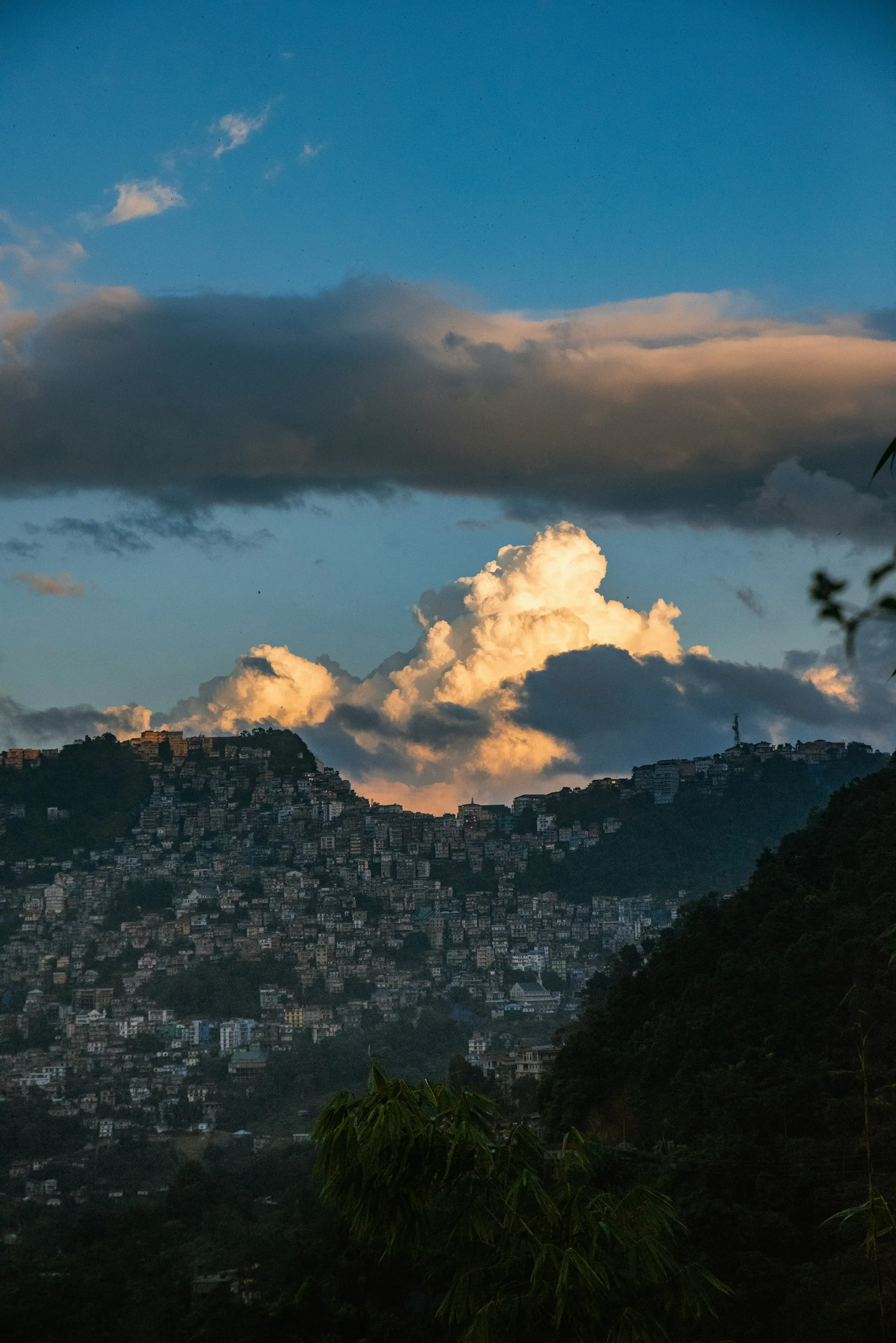
Mizoram is a landscape of ridges.
Roads follow the contours of steep green hills, villages sit along narrow mountaintops, churches rise above clustered homes, and layer after layer of blue-green mountains disappears towards Myanmar and Bangladesh.
But what often stays with visitors is not simply the scenery.
It is the sense of community.
Mizo society has long placed importance on tlawmngaihna, a cultural ideal associated with selflessness, hospitality, compassion and helping others without expecting something in return. The idea continues to be invoked in contemporary Mizoram through community organisations and voluntary service.
That spirit runs through many of the experiences that define the state: communal festivals after agricultural work, collective dances, church choirs, handwoven textiles and meals built around ingredients gathered, grown, smoked or fermented in the hills.
Mizoram is predominantly associated with Mizo cultural traditions, but the state is not culturally uniform. Lai, Mara, Hmar, Paite, Chakma and other communities contribute their own languages and customs, while the Lai, Mara and Chakma regions have autonomous district councils.
To understand Mizoram, look beyond its mountains. Look at how people live together on them.
History
Before the development of modern administration, Mizo social and political life was organised largely around villages governed by hereditary chiefs.
Communities moved through the hills, practised shifting cultivation and developed strong village-based institutions. Oral traditions, songs and stories preserved histories in a society where written records came much later.
During the late nineteenth century, the region gradually came under British administration and became known as the Lushai Hills. Christian missionaries subsequently had a profound influence on education, literacy and social life, and Christianity became central to modern Mizo society.
After Indian independence, traditional chieftainship was abolished and democratic institutions gradually replaced the older village political structure. The region became a Union Territory in 1972.
A difficult period of political conflict eventually led to the Mizoram Peace Accord of 30 June 1986, signed between the Government of India and the Mizo National Front. Mizoram became India's 23rd state on 20 February 1987.
The relative peace that followed has become an important part of modern Mizoram's identity.
Community
Some ideas are difficult to translate neatly into another language.
Tlawmngaihna is one of them.
It describes qualities such as hospitality, kindness, selflessness, compassion and voluntary service. At its heart is the idea that a person should be prepared to help others while trying not to become an unnecessary burden on the community.
It is not merely an old cultural saying.
The idea continues to appear in contemporary civic life, particularly through organisations such as the Young Mizo Association, which plays a visible role in community service and social initiatives across the state.
For a visitor, this aspect of Mizoram is better understood through everyday interactions than through sightseeing.
Community halls, churches, neighbourhood organisations, village events and the willingness of people to work collectively reveal as much about Mizo culture as any monument.
Festivals
Many traditional festivals of Mizoram developed around the agricultural calendar and jhum, or shifting cultivation.
Periods between clearing, sowing and harvesting created natural moments for communities to gather, rest, feast and celebrate. Chapchar Kut, Mim Kut and Pawl Kut are the state's three principal traditional festivals.
| Festival | Usual timing | Community / region | What it represents |
|---|---|---|---|
| Chapchar Kut | First Friday of March | Mizo communities | Spring celebration held after clearing land for jhum cultivation |
| Mim Kut | August or September | Mizo communities | Maize harvest, thanksgiving and remembrance |
| Khuado Kut | Usually harvest season | Paite community | Thanksgiving for a successful harvest |
| Pawl Kut | December or January | Mizo communities | Celebration after the completion of the harvest |
| Christmas | December | Statewide Christian communities | One of the most important periods of worship, family and community celebration |
Exact dates and local programmes can change, so travellers should confirm the festival calendar before planning their journey.
If one festival captures the public face of Mizo culture, it is Chapchar Kut.
Traditionally, it takes place after forests have been cleared for jhum cultivation and while the cut vegetation is being left to dry before burning. With the hardest phase of clearing complete, communities have time to gather and celebrate.
Today, Chapchar Kut is observed during the first week of March, with the first Friday as the principal celebration.
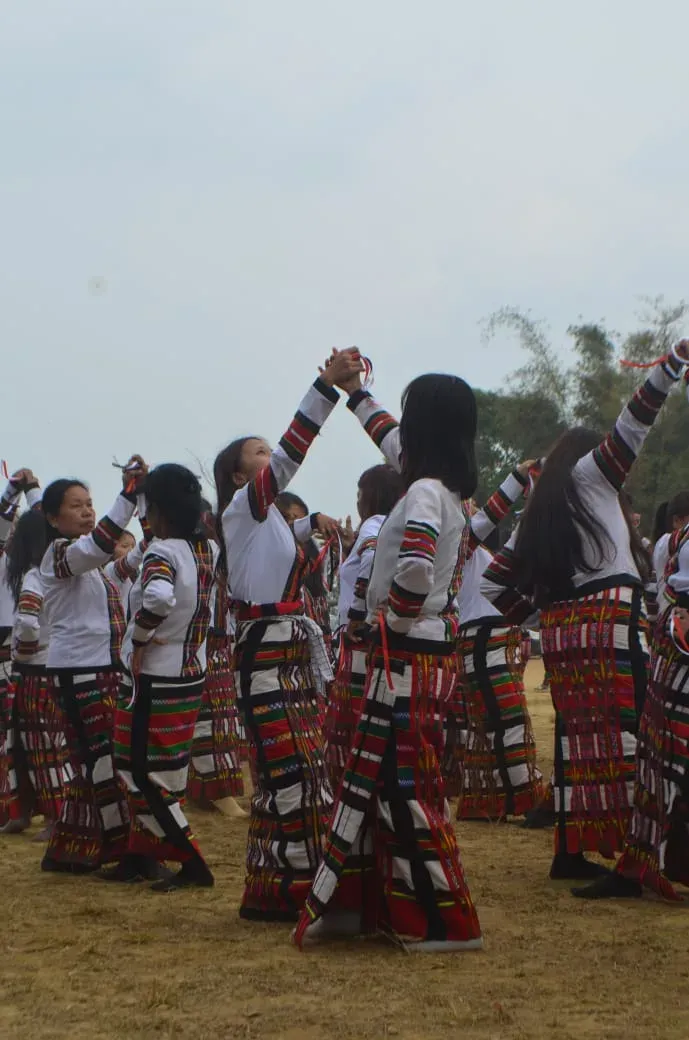
Traditional clothing, music, drums and group dances fill public spaces, particularly in Aizawl. Cheraw, Khuallam, Chheihlam and other performances often form part of the celebrations.
For a first-time visitor interested specifically in Mizo culture, early March is one of the strongest periods to visit the state.
Mim Kut is associated with the maize harvest and is usually celebrated in August or September.
Traditional observances included thanksgiving as well as remembrance of family members who had died, with part of the first harvest offered in their memory.
The festival offers a quieter reminder that agricultural celebrations were not concerned only with abundance. They could also connect harvest, ancestry and memory.
After the agricultural year comes Pawl Kut.
Celebrated after the harvest is complete, Pawl Kut traditionally marks a period of abundance, feasting and community celebration, usually falling in December or January.
For visitors travelling during the cooler months, Pawl Kut can coincide with one of the most comfortable periods for exploring Mizoram.
Christianity has become deeply woven into modern Mizo society, making Christmas one of the most important periods of the year.
Church services, choir music, carols, family gatherings and neighbourhood celebrations transform towns and villages throughout December, with Christmas Eve programmes of worship, carols and gospel performances held across the state.
Christmas in Mizoram demonstrates how cultural identity has evolved rather than simply remained unchanged.
Dance
Traditional dance remains one of the most visible expressions of Mizo heritage.
Forms including Cheraw, Sarlamkai, Khuallam, Chheihlam, Chawnglaizawn and Chai continue to be documented and taught.
The best known is Cheraw, often called the Mizo bamboo dance.
Pairs of bamboo staves create a changing rhythmic pattern while dancers step precisely between them. The beauty of Cheraw comes from coordination: the bamboo itself becomes part instrument, part stage.
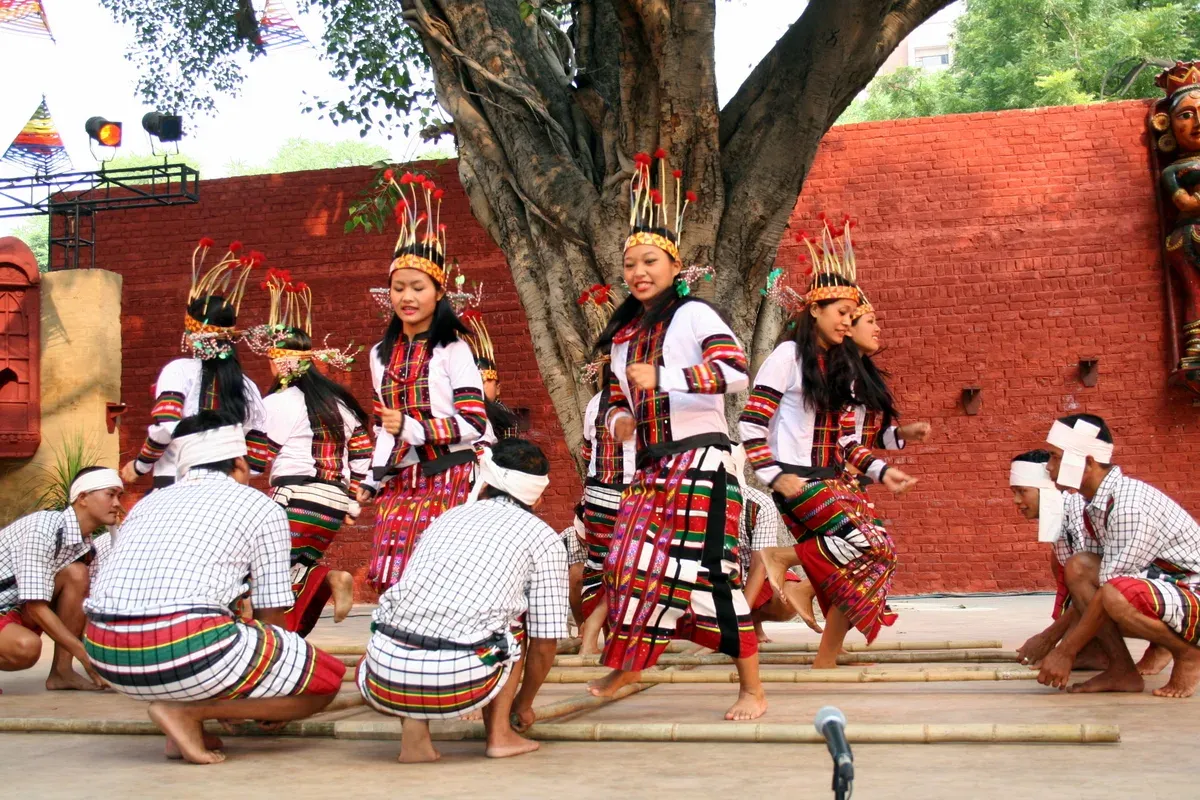
Today it appears frequently during Chapchar Kut and major cultural programmes, but it belongs to a wider repertoire rather than representing all Mizo dance traditions.
Khuallam and Chheihlam remain important community performance traditions and are actively taught to younger generations.
Chheihlam has a particularly social character, combining song, rhythm and collective participation.
Rather than watching only one staged bamboo-dance performance, travellers visiting during a cultural festival should try to experience several forms. The differences in rhythm, clothing and movement reveal a much broader performance tradition.
Music
Music occupies a major place in modern Mizoram.
Christianity brought strong traditions of congregational and choral singing, while guitars and western musical forms became increasingly integrated into everyday cultural life.
The state's Institute of Music & Fine Arts teaches traditional Mizo folk music alongside modern music, guitar, voice and notation, reflecting the coexistence of older and contemporary traditions.
A visit to Mizoram therefore does not need to choose between "traditional culture" and modern life.
Choirs, folk songs, church music, contemporary bands and cultural festivals all belong to the same evolving musical landscape.
Textiles
Few objects carry Mizo identity as visibly as the puan.
The term refers broadly to woven cloth, but individual puans differ in colour, pattern, purpose and cultural meaning.
Traditional weaving has historically been closely associated with women, and garments continue to appear during festivals, ceremonies and formal occasions.
Several Mizo textiles hold Geographical Indication protection, including Mizo Puanchei, Pawndum, Tawlhlohpuan, Ngotekherh and Hmaram.
Puanchei is among the most recognisable ceremonial textiles of Mizoram.
It is a tightly woven, colourful fabric traditionally worn by women during important occasions, including weddings and major festivals. Producing a good Puanchei requires considerable weaving skill, and the textile continues to form an important part of Mizo ceremonial dress.
Pawndum traditionally uses dark blue-black and red stripes and carries particularly deep cultural associations.
Historically, it could form part of a bride's possessions and also had ceremonial uses connected with death and mourning. It was also worn during performances of Khuallam.
Other distinctive textiles include Ngotekherh, traditionally characterised by a white ground with carefully woven black striping, and Hmaram, a smaller patterned garment worn by women and girls.
Rather than purchasing a generic "Mizo shawl," visitors should ask the name of the textile, how it is traditionally used and whether it was locally woven.
Crafts
Mizoram's craft traditions developed from materials readily available in the surrounding hills.
Bamboo and cane have long been used for baskets, furniture, household utensils, agricultural tools and decorative objects. Wood, textiles and other natural materials also form part of the state's wider craft tradition.
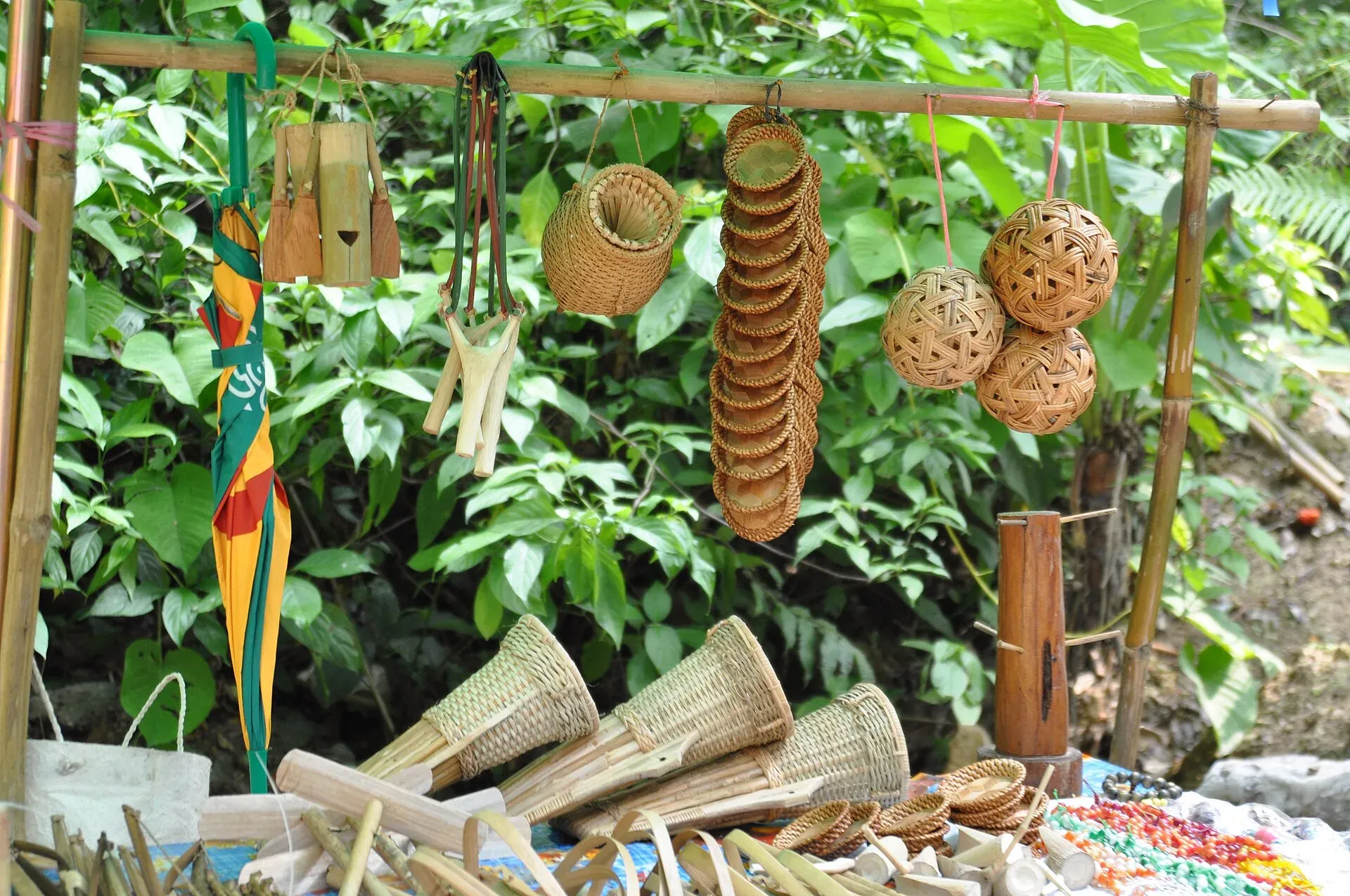
The best craft experiences are often found through local markets and community producers rather than large souvenir stores.
In Aizawl, markets offer a mixture of contemporary goods, local produce and handwoven textiles, while smaller towns provide opportunities to encounter products closer to where they are made.
Cuisine
Mizo cuisine tends to let ingredients speak clearly.
Rice is central to the meal, accompanied by vegetables, meat, smoked preparations, fermented ingredients and leafy greens. Compared with many Indian cuisines, the use of heavy spice mixtures is limited.
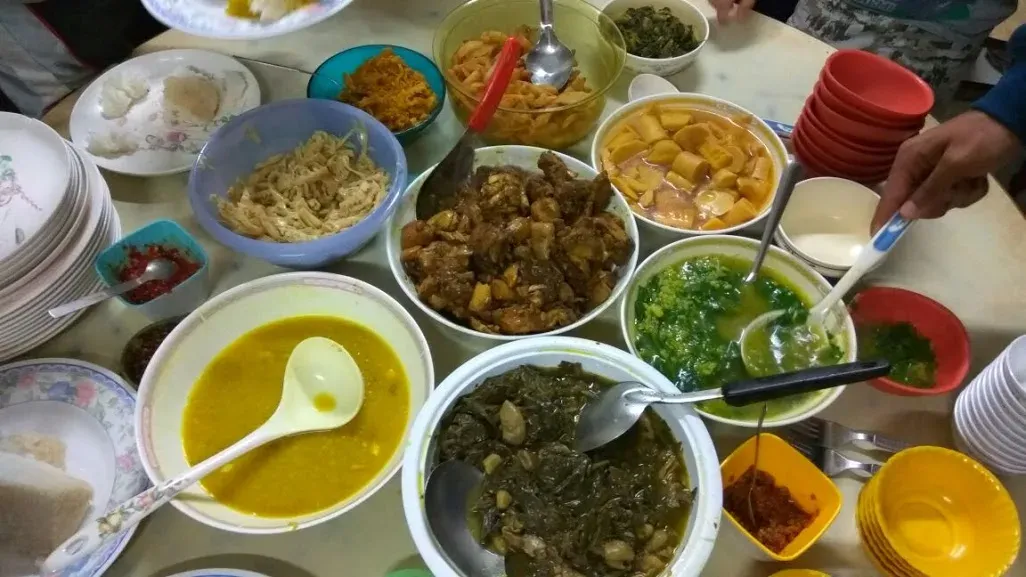
Bai is one of the dishes most closely associated with Mizo food.
It is a vegetable preparation that may combine leafy greens, edible ferns, bamboo shoots and other locally available ingredients. Recipes vary considerably by household and season.
Rawtuai bai, made using bamboo shoot, is one familiar variation.
Sawhchiar is a comforting rice dish traditionally cooked with pork or chicken.
The meat and rice cook together, producing something between a rice preparation and a thick stew. It is simple, filling and particularly suited to Mizoram's cooler hill climate.
Smoking is an important preservation and flavouring technique.
Vawksa rep refers to smoked pork, while the broader term sa rep can include smoked meats or fish. These may be eaten simply or cooked with vegetables and other ingredients.
Chhum han consists of boiled or steamed vegetables, traditionally prepared with very little seasoning.
It is the clearest example of the restraint found in much Mizo cooking, where freshness and texture matter more than heavy spice.
Bekang is fermented soybean.
Like fermented soybean traditions elsewhere in Northeast India, it contributes a deep savoury flavour and can be used in different preparations.
For something sharper, try hmarcha rawt, a chilli-based accompaniment with a tangy, spicy character.
It is a reminder that while many Mizo dishes are lightly seasoned, the cuisine is certainly not without heat.
A good Mizo meal should not be judged only by a checklist of famous dishes. Seasonal vegetables, local greens and the balance between smoked, fermented and fresh ingredients are just as important.
Places
Begin in Aizawl, a city built almost impossibly along steep ridges.
The Mizoram State Museum is the best first stop for context. Its collections include textiles, traditional dress and objects from different communities, helping visitors understand what they will encounter elsewhere in the state.
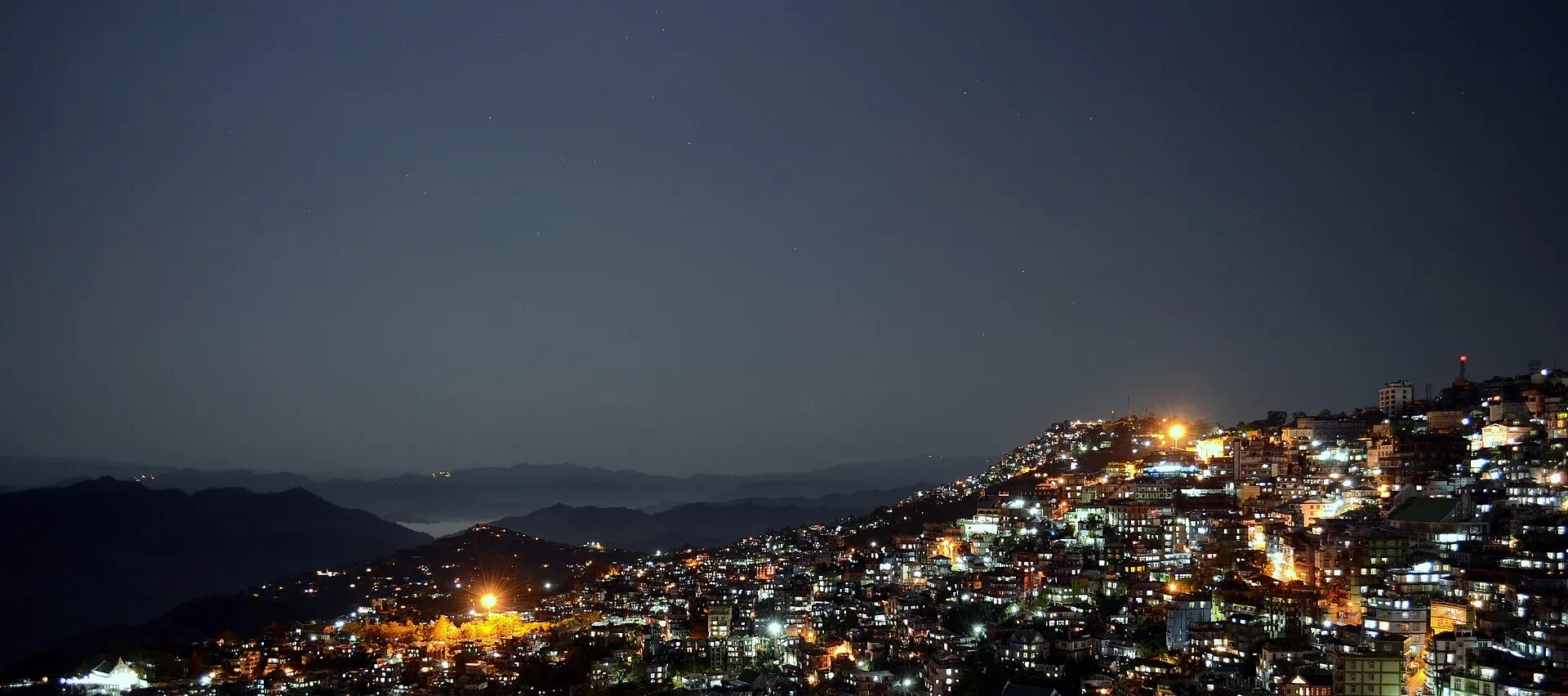
Afterwards, explore the markets and neighbourhoods rather than approaching Aizawl only through viewpoints.
The city's churches, community spaces, food stalls and handloom stores reveal the contemporary side of Mizo culture.
Around 18 kilometres south of Aizawl, Falkawn offers a more deliberate introduction to traditional village life.
The Zokhua, or typical Mizo village, recreates elements of older settlement patterns and provides context on traditional houses and community life.
It works particularly well after visiting the State Museum.
Reiek combines landscape and culture.
The journey climbs through forest towards Reiek Tlang, while the surrounding village area offers opportunities to experience local food and rural life. The region is also associated with the Anthurium Festival, generally held during the autumn season.
Reiek is close enough to Aizawl for a day trip but feels considerably removed from the capital.
South of Aizawl, Thenzawl is one of Mizoram's best-known centres for handloom and a useful base for exploring the surrounding landscape.
Nearby Vantawng Falls is the state's highest waterfall.
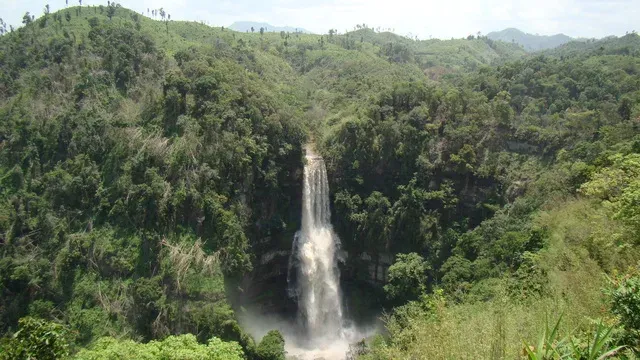
The combination works well because it brings craft and landscape into the same journey rather than treating waterfalls as isolated attractions.
Eastern Mizoram opens into a different landscape around Champhai.
Unlike many ridge-top settlements, the town overlooks broad agricultural land and is often described as the state's rice bowl. Beyond it rise the hills along the Myanmar border.
Champhai is also a strong base for exploring historic villages, monoliths, caves and older cultural landscapes farther east.
Near the Myanmar border lies one of Mizoram's most intriguing heritage sites.
At Vangchhia, the Archaeological Survey of India records around 180 carved menhirs depicting human figures, animals, weapons and other motifs. The site provides rare archaeological evidence alongside a culture whose history has often been preserved through oral tradition.
The complex is known as Kawtchhuah Ropui, or the Great Entranceway, and was Mizoram's first protected archaeological site.
For travellers interested in history, this is one of the most important reasons to spend more time in the Champhai region.
In southern Mizoram, Phawngpui rises above the surrounding ranges and is the state's highest mountain.
Known as the Blue Mountain, it forms part of Phawngpui National Park, where rhododendrons, orchids, cliffs and montane forest create one of Mizoram's great natural landscapes.
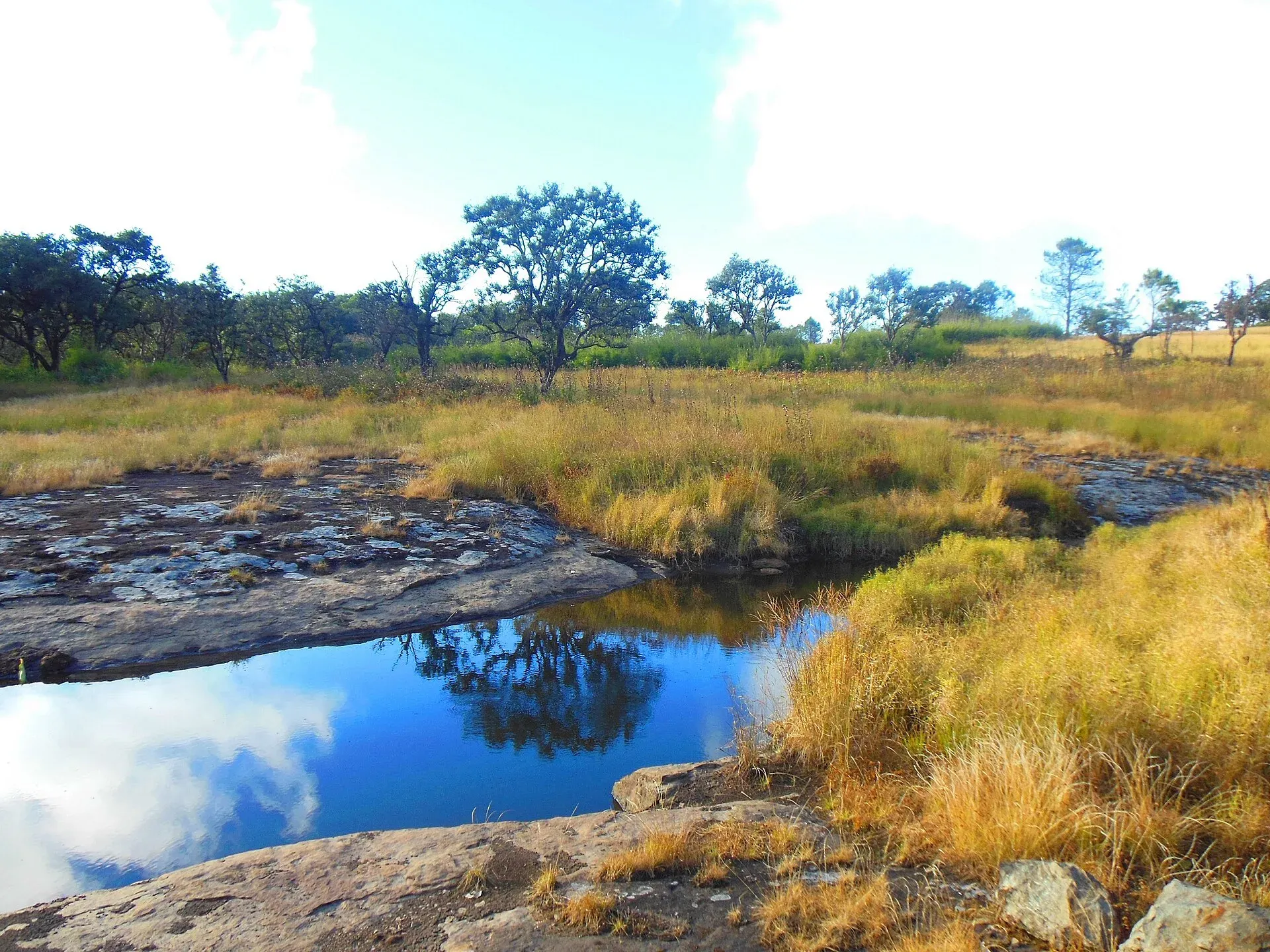
Reaching southern Mizoram requires time, but that distance is part of the experience. It is a very different journey from a short Aizawl itinerary.
Farther south again lies Palak Lake, locally known as Pala Tipo, in Siaha district — the state's largest natural lake.
The surrounding Mara cultural region also reminds visitors that southern Mizoram has identities and traditions distinct from those around Aizawl.
Planning
For a broad first journey, October to April is generally the easiest period for exploring Mizoram.
The weather is cooler and comparatively dry, making long road journeys, hiking and village visits more comfortable. Mizoram receives most of its heavy rainfall between May and September.
Getting there
Mizoram is considerably better connected than it was only a few years ago. Travellers can enter by air, road and, since September 2025, rail.
This is the biggest recent change in travelling to Mizoram.
The 51-kilometre Bairabi–Sairang railway line opened in September 2025, connecting the Aizawl region to India's national railway network for the first time. Until then, Aizawl could be reached only by air or by an eight-to-ten-hour road journey from Silchar.
The Guwahati–Sairang Express (15609/15610) runs daily in both directions. Train 15609 leaves Guwahati at 7:00 PM and reaches Sairang at around 8:30 the following morning, covering 494 kilometres in roughly thirteen and a half hours. Train 15610 runs the reverse, departing Sairang at 7:00 PM and arriving in Guwahati at about 8:30 AM.
Sairang is the rail gateway for Aizawl rather than a station in the city itself, so factor in the onward road transfer.
Sleeper, AC 3-tier and AC 2-tier classes are available. Schedules and fares change, so check current timings when booking.
Lengpui Airport is the principal airport serving Aizawl.
For travellers on a standalone Mizoram itinerary, flying remains the simplest option. Routes and frequencies change, so check current schedules before booking.
Mizoram is connected by road with Assam, Manipur and Tripura.
The traditional approach from Assam runs through Silchar before entering the hills towards Aizawl. Road journeys within Mizoram can take considerably longer than the distance suggests because of the terrain.
For destinations such as Champhai, Lunglei, Siaha or Phawngpui, avoid planning too many long drives back-to-back.
Non-Mizo Indian visitors require an Inner Line Permit, which can be applied for online. Foreign visitors are subject to separate requirements, including the Protected Area Permit process.
Check the latest rules before travelling.
Before the train
The overnight train to Mizoram leaves Guwahati at 7:00 PM.
For anyone arriving in the city that morning — by flight, or on the 15610 coming the other way from Sairang at 8:30 AM — that leaves most of a day before departure. It is more time than a hotel lobby deserves.
The Brahmaputra is a few minutes from the city centre, and our Sunset Cruise sails from 5:30 to 6:30 PM. That is cutting it fine against a 7:00 PM train, so it suits travellers with a day in hand rather than a tight connection — or the direction of travel where you arrive in Guwahati and continue the following day.
For those with an unhurried evening, the Dinner Cruise runs 7:30 to 9:00 PM with a buffet and live Bihu, Sattriya and Gayan Bayan performances on deck.
Both sail from the Guwahati riverfront, about half an hour from most city hotels — the boarding point moves with the river's seasons, and your exact point is printed on your boarding pass.
There is no need to route through Guwahati simply for the cruise. But if the Sairang train is already part of your journey, the Brahmaputra is the obvious way to spend the hours before it.
Good to know
Mizoram is known for its steep hill landscapes, Mizo culture, Chapchar Kut, Cheraw dance, handwoven puan textiles, bamboo craft, community traditions, churches and destinations such as Aizawl, Reiek, Champhai and Phawngpui.
Chapchar Kut is one of Mizoram's most important traditional festivals. It developed around the period after forests had been cleared for jhum cultivation and before the next stage of agricultural work. It is normally celebrated during the first week of March.
Good starting points include bai, sawhchiar, smoked pork or vawksa rep, chhum han, bekang and hmarcha rawt. Mizo cooking generally uses relatively little heavy seasoning and places strong emphasis on vegetables, meat, smoked foods and locally available ingredients.
Mizoram has several distinctive woven textiles rather than one single traditional garment. Important examples include Mizo Puanchei, Pawndum, Tawlhlohpuan, Ngotekherh and Hmaram, all of which have recognised cultural identities and GI protection.
October to April is generally the most comfortable period for a broad itinerary. Early March is particularly attractive for travellers interested in Chapchar Kut, while the May-to-September monsoon brings lush landscapes but more difficult road conditions.
Yes. The Guwahati–Sairang Express (15609/15610) runs daily in both directions following the opening of the Bairabi–Sairang line in September 2025. It departs Guwahati at 7:00 PM and reaches Sairang at around 8:30 the next morning. Sairang is the rail gateway for Aizawl.
No. Aizawl has its own airport at Lengpui, so travellers can fly directly into Mizoram. Guwahati is relevant mainly for those using the Sairang rail connection or combining Mizoram with Assam and a wider Northeast itinerary.
Yes. Non-Mizo Indian visitors require an Inner Line Permit before entering the state. The application can be completed online.